
8 Advanced Mixing Techniques to Create an Immersive Audio Experience
Creating an immersive audio experience involves hitting the right notes, quite literally and figuratively. With advanced mixing techniques, you can transform ordinary audio tracks into mesmerizing soundscapes. Whether you're a budding music producer or a seasoned sound engineer, mastering these techniques will elevate your mixes to new heights.
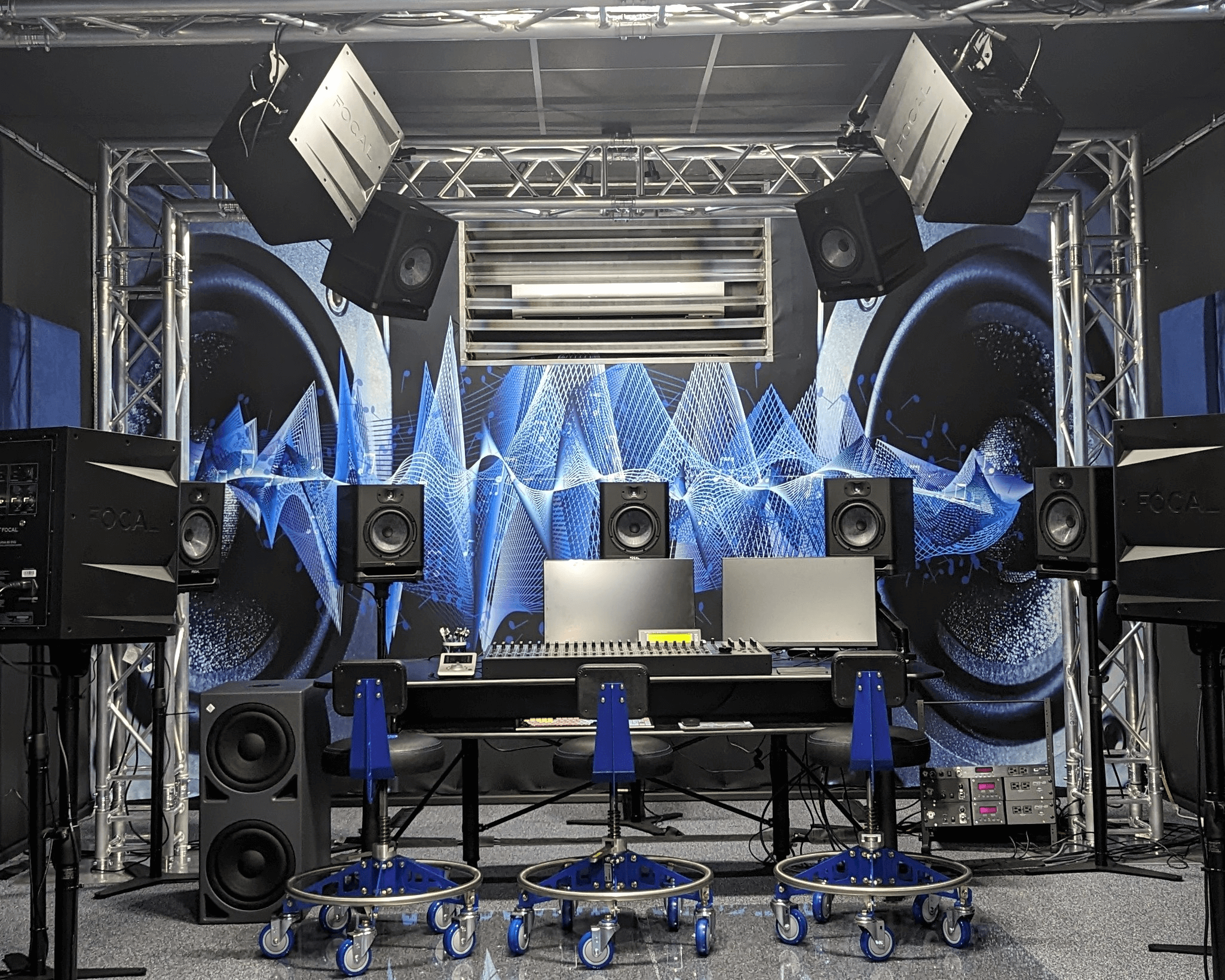
1. Depth and Dimension with Reverb
Reverb can add a sense of space and dimension to your tracks, making them feel larger than life. Understanding how to control reverb tails and decay time can create a more natural and immersive experience. When applied subtly, reverb can give listeners the sensation of a concert hall, while a heavier hand can transform a vocal into something ethereal. Remember, the key is to match the reverb style with the emotion you seek to convey. For instance, a long reverb tail can add drama to a closing piece, whereas a short reverb can invigorate an upbeat track.
It's also essential to consider the room simulation quality that reverbs can offer. Whether you're mimicking the acoustics of a small club or a grand cathedral, each choice alters the listener's perception. According to Mixonline, blending multiple reverb types allows for a complex soundscape that can support a track's intricacies read more here.
2. Creative Use of Delay
Delay isn’t just for creating echo effects; it can also add rhythm and depth to your mix. Experiment with different delay times and feedback settings for unique audio textures. A quarter-note delay might give your track a spacious, rhythmic feel, while a slapback delay adds a retro vibe. According to Sound on Sound, tweaking parameters like feedback can introduce a sense of evolution in your track explore techniques here.
3. Precision with EQ
Using EQ effectively helps carve out sonic space, making each element of your mix crisp and clear. It’s all about finding balance and ensuring that none of the frequencies clash. Start by identifying frequencies that eat up space and pulling them back to let others shine. Pro Sound recommends visualizing EQ as a sculpting process, where each adjustment reshapes the overall entity of the track find tips here.
One often overlooked aspect of EQ is its ability to enhance or cut resonant frequencies specific to instruments. For example, brightening a snare drum with a high-shelf EQ can make it punch through a dense mix. Alternatively, cutting low-mids on guitars can provide more room for vocals. Understanding these intricacies makes EQ an indispensable tool in the producer's arsenal.
4. Enhancing Dynamics with Compression
Compression can bring an evenness to your tracks, maintaining energy and excitement. Understanding attack and release settings is crucial for dynamic control. Aggressive compression can make a bassline stand out, while slow attack times preserve the natural transient of the sound. MusicRadar advises experimenting with sidechain compression for creating space and movement in mixes learn more.
5. Modulation Effects for Color
Flangers, phasers, and choruses are fantastic for adding movement and color. These effects can transform a static mix into something pulsating and vibrant. Audiofanzine notes that modulations can suggest movement and change subtly night and day in your music's feel and color find insights here.
6. Crafting with Saturation and Distortion
Saturation and distortion tools add warmth and character; subtle use can enrich your mix, making it sound more full-bodied and engaging. Overdriving a digital synth lead can imbue it with an analog warmth, making it more pleasant to the ear. Soundbetter suggests using these effects to emulate the richness of analog tape and tubes, or even pushing it creatively for intentional grit read further.
7. Achieving Balance with Panning
Panning is key for creating width and separating elements in your mix. Thoughtful panning can lead your audience into an immersive audio adventure. Consider placing ambient sounds wide in the stereo field to encapsulate listeners. Mastering the Mix explains that effective panning strategies can significantly widen the perceived space, turning ordinary mixes into captivating experiences see tips here.
8. Subtle Enhancement with Automation
Automation allows for dynamic control over volume, panning, and effects, breathing life into static tracks. It’s essential for a polished, professional-sounding mix. Recording Revolution emphasizes using automation for dramatizing pivotal moments in your songs, which helps maintain listener engagement from start to finish further reading.