
Your Guide to Mastering Advanced Mixing Techniques
Mastering advanced mixing techniques can significantly enhance your music production skills, taking your tracks from good to outstanding. In this guide, we'll explore key techniques that will help you refine your mixes, even if you're just starting to delve into the more complex aspects of audio mixing.
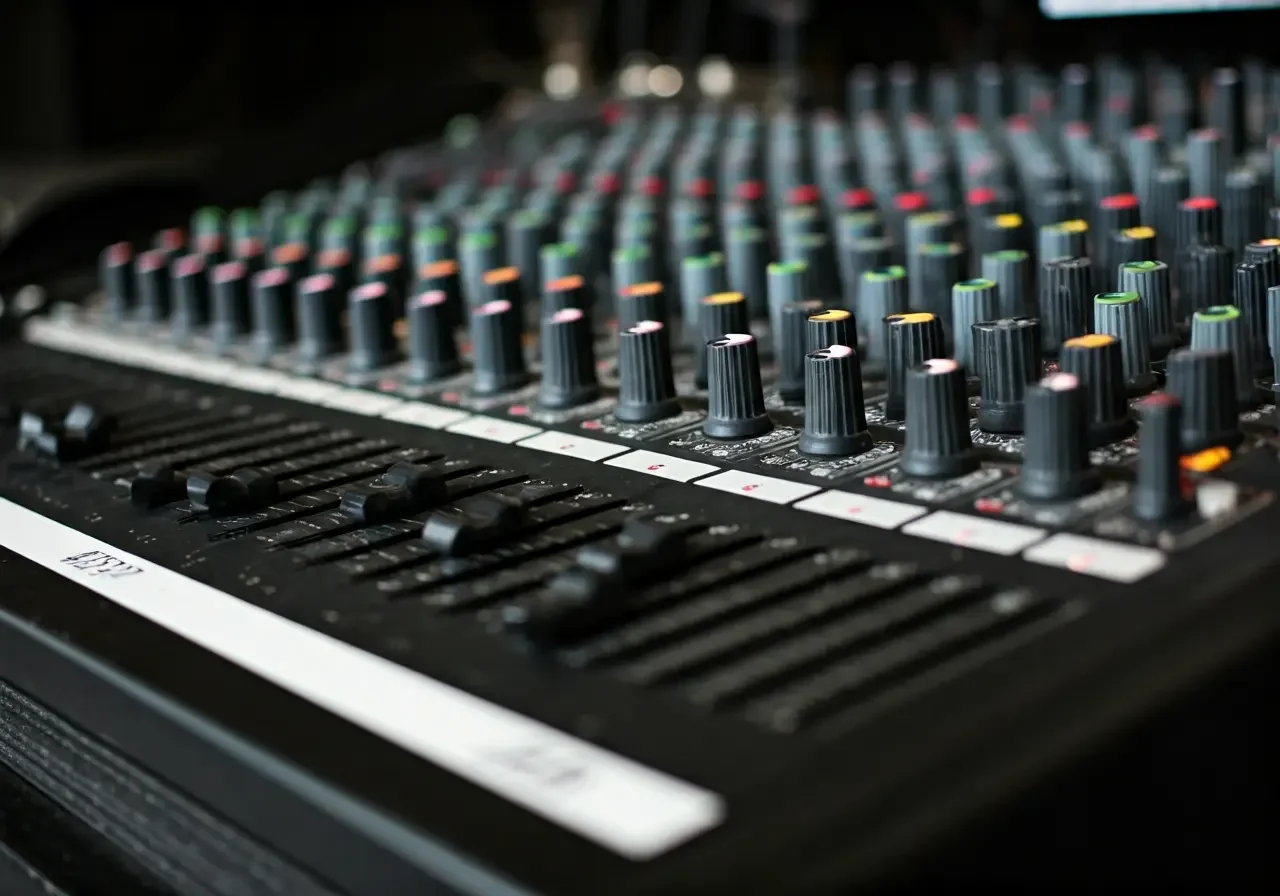
Understanding the Role of Advanced Mixing Techniques
Before diving into advanced mixing, it's essential to understand the core purpose of mixing: to create a balanced, cohesive track that highlights the performance and ensures all elements work together harmoniously. The advanced mixing techniques not only refine this harmony but also add depth and dimension to your music. By understanding how each element in a track interacts with others, you can make more informed decisions during the mixing process. Advanced mixing is not about complexity for complexity's sake; it's about achieving a level of finesse and clarity that transforms a musical piece into an emotive journey.
Advanced mixing techniques expand upon foundational skills by incorporating a strategic use of creative effects, depth manipulation, and dynamic balance. These techniques empower a producer to emphasize emotions and nuances in a track, which might be otherwise overlooked. A professional-sounding mix often capitalizes on these advanced methods to maintain interest throughout the song. The objective is to make listeners feel something powerful and lasting, transcending basic auditory experience into something transformative.
The Importance of Frequency Balance and EQ
Achieving frequency balance is crucial for a clean mix. By using equalization (EQ) effectively, you can enhance or suppress certain frequencies to ensure each element occupies its own space within the mix. This process helps prevent individual instruments or vocals from clashing, which can muddy the sound. An effective EQ strategy enhances clarity and focus, making every detail shine through. Typically, this involves crafting a frequency spectrum where each instrument has its designated space. As you gain more experience with EQ, you may start to use it creatively to accentuate unique sound textures or highlight distinctive sonic characteristics here’s a detailed guide on frequency balance.
When dealing with frequency balance, one must also consider the impact of both additive and subtractive EQ. Knowing when to cut or boost frequencies can significantly reshape the sonic landscape of your track. Effective subtractive EQ often reveals hidden dimensions by removing unnecessary elements that cloud the mix. On the other hand, additive EQ can enhance desired features, such as the warmth of a guitar or the crispness of a vocal. It's about finding that delicate balance, an art that involves both technical know-how and creative intuition.
Dynamic Control with Compression and Limiting
Compression and limiting are vital for controlling dynamics. These techniques help manage the loudness and consistency of individual tracks or the entire mix, ensuring each part of your song can be heard clearly. By compressing a track, you can reduce the difference between the loudest and quietest parts, creating a more uniform sound. This allows you to bring quieter elements forward without overpowering the loudest parts. Limiting takes this control further by setting a ceiling for peaks, preventing distortion and ensuring the track stays within a desired loudness range explore how effective dynamic control works.
In a nuanced production, dynamic control is applied not just for loudness control but also to shape the sonic character of a mix. Adjusting attack and release parameters on compressors can profoundly impact the rhythmic feel and energy of a piece. A slower attack allows transients—the initial hit of a sound—to pass through, preserving a lively, punchy feel. Conversely, a fast attack can soften harsh transients, smooth out performance inconsistencies, and contribute to a more polished sound. Mastery of these techniques grants you the ability to artistically manipulate sound energy, adding drama and emotional depth where it truly counts.
Utilizing Reverb and Delay for Depth
Reverb and delay can add depth and space to your mix, creating an immersive listening experience. Learning to use these effects sparingly can enhance the sense of dimension and atmosphere in your music. Reverb simulates the way sound behaves in a physical space, such as a concert hall or cathedral, thereby adding a sense of realism and depth. This effect can make a dry recording resonate with lush grandeur. In contrast, delay creates a series of echoes, which can add rhythm and accentuation to specific parts of a track, building complexity and interest delve into how reverb and delay can be optimized.
The art of using reverb and delay extends beyond simply choosing settings. Consider the emotional and spatial implications these effects bring. Applying reverb on a vocal can make it sound as if the singer is performing in an expansive environment, while a slight ambient reverb on a drum kit can subtly enhance its impact without overtaking the mix. Delay can also serve special roles, such as doubling a guitar riff or creating a spatial effect that adds texture and depth. Crafting a balance and properly incorporating these effects can turn a simple track into a captivating sound narrative.
Advanced Panning Techniques for Stereo Imaging
Panning is a powerful tool for creating a wide stereo image. By carefully considering the placement of your mix elements across the stereo field, you can expand the sense of space and clarity. Advanced panning techniques involve moving sounds in the stereo field to create a more engaging and immersive experience for the listener. For instance, imagine how you might place background vocals off-center to allow the lead to shine, or pan percussion elements to simulate a live performance setting. This dynamic placement can breathe life into a mix, giving the listener a sense of being surrounded by the music [learn more about stereo imaging and panning techniques](https://en.wikipedia.org/wiki/Panning_(audio)).
Achieving an effective stereo image often depends on careful consideration of how particular sounds should interact with one another spatially. For instance, ensuring that foundational elements such as kick and bass are centrally positioned can bolster their presence and maintain the mix's structural integrity. Meanwhile, creatively panning higher-frequency sounds like shakers or synths can add width and excitement. Additionally, techniques such as mid/side processing, where audio is separated into middle and side channels, can be employed for even greater control over the stereo field's dynamics and stereo width.
Mastering Automation for Dynamic Mixes
Automation allows for dynamic changes in your mix, giving you precise control over specific elements as your track progresses. It’s a great tool for adding interest and ensuring your mix remains engaging over time. With automation, you can adjust levels, effects, and panning at distinct points in your song, creating a more dynamic and evolving soundscape. This lies at the heart of clips or segments that transition smoothly between different sections, maintaining listener engagement through subtle yet impactful changes [understand the power of automation in mixing](https://en.wikipedia.org/wiki/Automation_(music)).
In an advanced mix, automation is not simply about level adjustment. You can use it creatively to bring specific instruments to the forefront during a solo, or gradually introduce effects like reverb and delay for a swelling end to a chorus. This not only keeps the production from sounding static but also heightens the emotional delivery of each section. The narrative flow of a song is often underpinned by these automated elements, creating crescendos and decrescendos that mirror the intended emotional journey of the track.
Wrapping Up Your Journey into Advanced Mixing
Advanced mixing techniques can elevate your production quality and help you shape the sound that truly represents your artistic vision. With practice and patience, these skills will become second nature, allowing you to craft captivating and professionally polished mixes.