
Achieving the ultimate sound in a Dolby-certified studio can feel like a blend of art and science. With the right techniques, equipment, and mindsets, you can make your audio projects truly stand out. Dive into these expert tips to elevate your sound production to the next level.
1. Understanding Dolby Certification
Dolby certification ensures that a studio meets high standards for sound quality. Understanding these criteria can help guide your studio practices. A studio achieves certification by adhering to specific acoustic and technical benchmarks, which guarantees that the audio reproduction is consistent with Dolby's high standards. This certification not only enhances the auditory experience but also extends a layer of credibility and prestige, often attracting a more discerning client base. Familiarize yourself with Dolby's requirements, which often include detailed measurements of room acoustics, speaker capabilities, and mixing console specifications. This foundational knowledge will put you on the path to leveraging the full potential of your Dolby-equipped environment.
Many sound studios face the challenge of convincing clients of their value in a crowded market. Being Dolby certified can set you apart by ensuring the highest quality audio output, attracting producers, filmmakers, and artists who are searching for premium sound services. Explore resources that dive deeper into what this certification entails and how it translates to client satisfaction.
2. Optimize Your Studio Layout
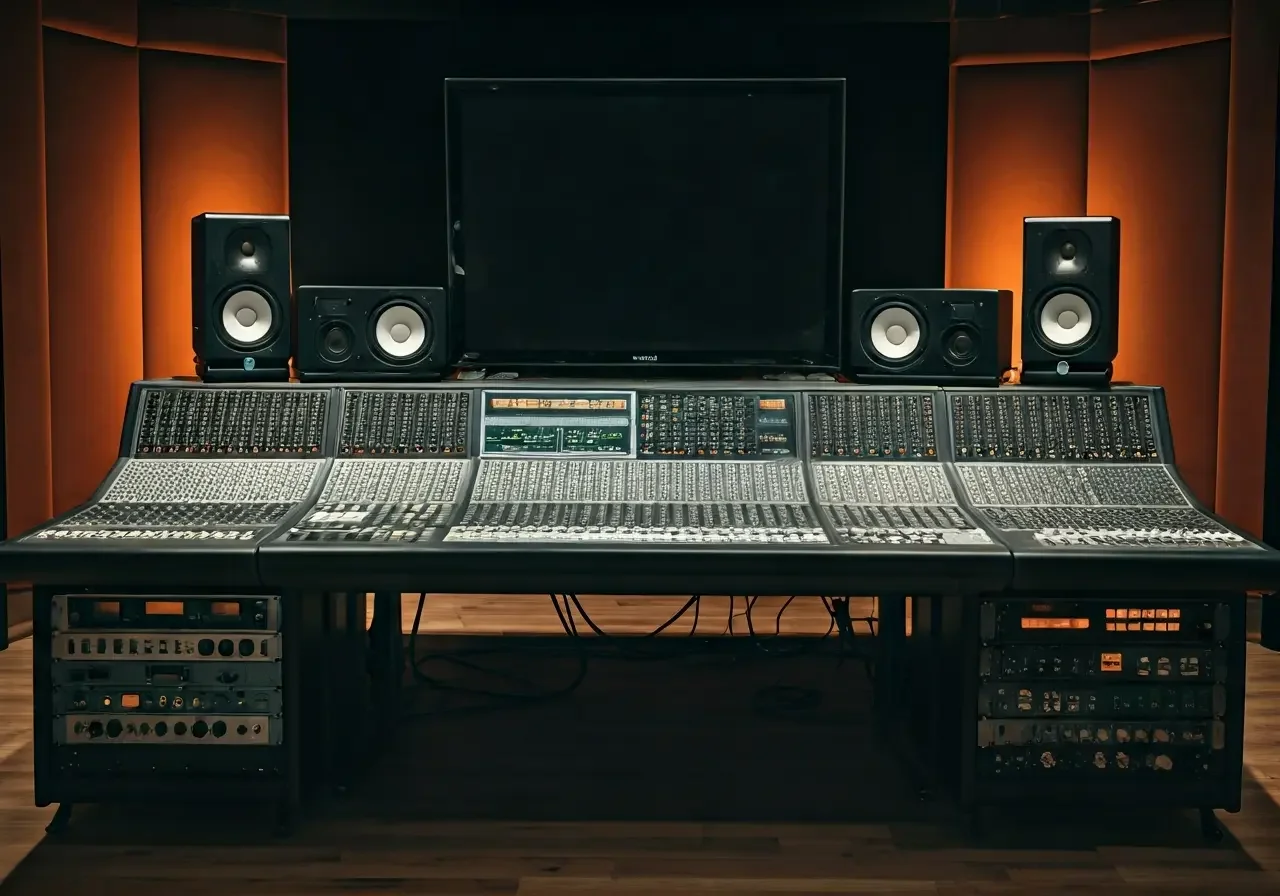
A well-planned studio layout can drastically improve sound quality. Position your monitors and acoustics for optimal audio precision. Consider the symmetry of your room; asymmetrical setups often lead to uneven sound distribution. Arrange your monitors in an equilateral triangle with your head at the focal point, ensuring each speaker's tweeter is at ear level to maintain direct sound paths. This setup minimizes reflections and echoes, providing a cleaner and more natural auditory experience.
In addition to speaker placement, consider how furniture and other equipment can obstruct sound waves. Remove obstacles that interfere with the direct path of audio from the speakers to your ears. Play around with different placements until you find what delivers the most accurate sound. This step is crucial in making the most of your Dolby-certified environment, where precision is key.
3. Invest in Quality Monitors
High-quality monitors provide accurate sound reproduction, ensuring that what you hear is as close to the final product as possible. Monitors designed for studio use are different from commercial speakers because they produce a flat frequency response without coloring the sound. This enables you to make precise adjustments during mixing. Investing in brands renowned for their acoustic accuracy and reliability will pay off in spades as they last for years and consistently deliver superior sound quality.
It's important to test different monitor models in your specific studio environment. This ensures that no matter the brand or design, they interact well with your room's acoustics. Remember, a pair of high-fidelity monitors is an essential anchor point for executing flawless music productions in a Dolby-certified space.
4. Utilize Acoustic Treatment
Proper acoustic treatment minimizes sound reflections and enhances audio clarity. This includes bass traps, diffusers, and absorbers. Bass traps help control low-frequency anomalies, which can otherwise cause unwanted rumble and interfere with clarity. Absorbers focus on taming mid to high-frequency reflections by absorbing sound waves rather than letting them bounce off walls. Meanwhile, diffusers are designed to scatter sound waves, helping reduce echo while maintaining clarity.
Consider reviewing successful treatment setups by established studios as inspiration. Keep in mind that each studio is unique, and a small difference in wall material or ceiling height can impact how your acoustic treatments perform. Regularly reevaluate the effectiveness of your current setup and be open to iterative changes, ensuring your studio remains equipped to produce sharp, pristine audio.
5. Calibration is Key
Regularly calibrate your equipment to maintain accuracy. Calibration helps keep your sound consistent and reliable. At its core, calibration involves adjusting your audio equipment to be in perfect harmony with one another, thereby reducing frequency response and level disparities. Consistency between sessions is vital to producing professional-grade sound and maximizing what a Dolby-certified environment has to offer.
It's a good rule of thumb to recalibrate your studio when adding new equipment or altering current setups. The same goes for seasonal changes, as variables like temperature and humidity may subtly affect equipment performance. This ensures that you always hear a true representation of your mix, allowing you to make informed creative decisions when recording and editing.
6. Master the Art of Mixing
Mixing is an art form that balances individual audio elements to create a cohesive track. Understand EQ, compression, and panning to enhance your mixes. Each track requires its own unique touch; some may benefit from broad EQ strokes to sculpt the sound, while others require precise settings to highlight nuances. Compression helps control dynamics and achieves a polished sound, while thoughtful panning positions instruments within the stereo field for better spatial depth.
Explore tutorials and expert interviews to refine your skills further. Many mixers suggest focusing on one element at a time and working in layers to ensure that every aspect of the audio is carefully crafted. For those just starting out, make use of presets and then adjust little by little, building your ear for subtle differences and the balances that work in a Dolby certified environment.
7. Take Advantage of the Dolby Atmos
Dolby Atmos adds dimensionality to your sound, creating an immersive auditory experience. Learn to utilize this technology effectively. By integrating height channels and object-based mixing, Dolby Atmos transcends traditional stereo or surround sound setups, offering a three-dimensional sphere of audio. This enhances every listening experience, making it more lifelike and enveloping.
The key to mastering Dolby Atmos lies in creative implementation and understanding spatial dynamics. You must unlock the potential of capturing how sounds naturally emanate from different positions, which lends authenticity and enhances listener engagement. Embrace workshops and training sessions to finesse your skills in this innovative field and push the boundaries of conventional listening.
8. Experiment with Microphone Placement
Microphone placement can significantly impact the sound capture. Experiment to find the sweetest spots for different instruments and vocals. Each mic and instrument pairing can have a unique sound, offering countless possibilities. Try different angles and distances to the source to capture tones you desire while preserving fidelity and clarity.
It can also be helpful to record multiple takes from various placements and compare them. Compromise is often essential – a placement optimal for one instrument may not suit another when recording as a group. Keep a journal of what works best for every recording instance to create a reference point and evolve your techniques. Continually explore new mic setups to take your sound capturing skills from routine to cutting-edge.
9. Harness the Power of Plugins
Plugins can enhance your audio production by adding effects, simulating equipment, and more. Choose plugins that complement your studio work. Using the right plugins, you can emulate expensive gear, automate tasks, and explore innovative effects that may have been out of reach. Keep your plugins folder organized based on types like EQ, dynamics, reverb, and modulation effects for quicker access.
Experiment with new plugins but remember the key is not to overdo it. Prioritize plugins that have become an industry standard for their quality and ease of use. Balance is essential—too many effects may muddy a mix, while too few might not bring your track to life. Read reviews and trial several demos to determine which ones are essential for retaining the pristine sound you aim to achieve.
10. Monitor at Different Levels
Listening at various volumes can reveal imbalances in your mix. Ensure your sound is consistent across different playback levels. Testing your mixes from whisper-quiet levels to louder volumes helps identify discrepancies in your mix—elements that sound fine at one level may get lost or overly pronounced at another.
Consider testing on multiple headphones and speakers to cross-reference sound quality. It's a good method to learn how the mix translates across different playback systems beyond the studio, ensuring reliability and compatibility in the outside world where listeners might access their music. This skill fortifies your ability to deliver outstanding quality that stands the test of various listening environments.
11. Regularly Clean Your Equipment
Dust and debris can degrade equipment performance. Regular maintenance helps ensure long-term reliability and sound quality. A clean workspace is equally essential—keeps you productive and creative. Make dusting a routine task, especially around connectors, ports, and speaker surfaces. Spend time familiarizing yourself with each piece of equipment's cleaning requirements and guidelines.
Doing so not only lengthens the lifespan of your investment but improves signal quality. The cleaner your gear, the lower the chance of unexpected hiccups during critical sessions. Proper storage—wrapping cables neatly, for instance—can reduce wear and tear, ensuring your studio continues to function at its best.
12. Stay Open to Feedback
Constructive feedback is invaluable in the creative process. Use it to refine your skills and produce superior audio results. Allow feedback to be a learning tool rather than a setback as it validates what you're doing right while pointing out areas needed for growth. Even seasoned professionals benefit from an outside ear; often, those not directly involved in a project can hear things you may have overlooked.
Regularly engage with peers, attend workshops, and participate in forums like those for audio professionals. Establish a circle you trust enough for authentic input. Over time, you'll learn to discern which criticisms propel your work forward, discerning between genre-specific feedback versus technical ones. Achieving great sound rests in humility—the art of keeping yourself open to the wisdom of many voices.
13. Keep Abreast of Technological Advances
The audio industry continuously evolves. Stay informed about the latest advancements and trends to keep your studio cutting-edge. Whether it’s breakthrough software, plugins, or recording equipment, staying knowledgeable assures you maintain an upper hand. Subscribe to trade publications and follow industry leaders to gain insights and previews on emerging tech.
Webinars and conventions can provide firsthand knowledge and hands-on experience with innovations. Adaptability is your ally, enabling you smoother transitions when integrating new tools. Investing time in tutorials when new technology is released can offer competitive advantages and refresh your perspective on how to accomplish unique sounds.
14. Network with Other Professionals
Building relationships with other audio professionals can provide insights and opportunities to learn and grow in your field. Networking does more than broaden your circle; it opens doors to new reference tracks, collaboration opportunities, and knowledge sharing. Join professional groups and attend meetups to extend your connections.
Associating with diverse professionals allows you to observe varying methodologies on sound creation and project execution. These interactions can inspire fresh ideas and approaches, motivating you to push beyond your standards and achieve excellence in a Dolby-certified environment where the industry recognizes the upper echelon of quality.
15. Trust Your Ears
Amidst all the technology, sometimes the best tool is your own ear. Trust your instincts to guide your sound choices. Your personal taste and preferences should influence decisions made during recording and mixing. Regardless of trends and tools, remember music resonates with listeners on an emotional level.
Self-confidence in your sonic judgement develops over time, through repeated practice and experience. Trusting your ears does not mean ignoring feedback or latest advancements, but more about finding the harmonious balance between intuition and learned techniques. Cultivate an environment where trial and error is welcome, and rely on your auditory perceptions to steer your creations.