
In the realm of modern music production, digital audio mixing plays a pivotal role. It's the magical process that turns raw recordings into polished tracks ready for listeners. But why is it so essential? Let's dive into the reasons and understand the impact it has on contemporary music creation.
What is Digital Audio Mixing?
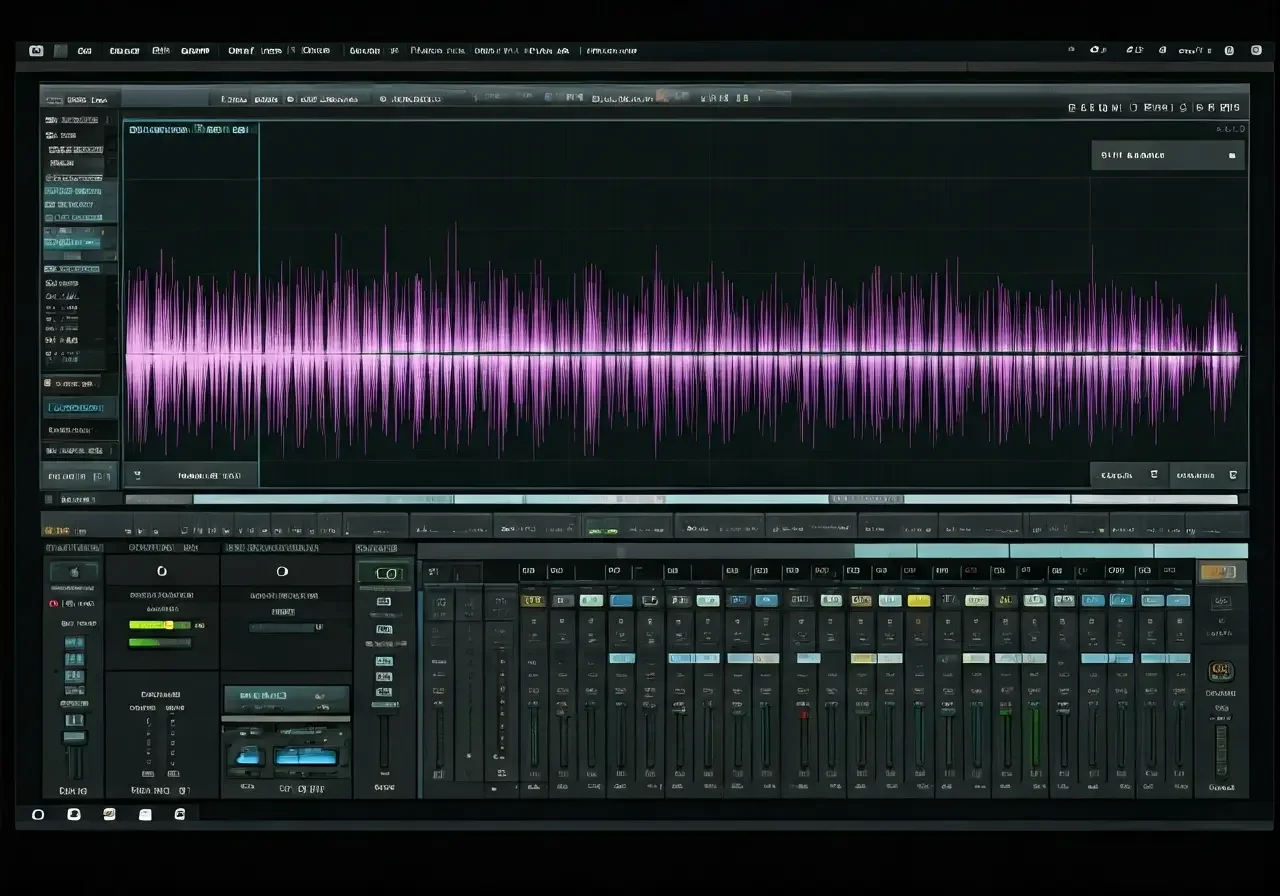
Digital audio mixing is the process of blending individual tracks from a recording session into a cohesive final product. This involves adjusting levels, panning, and applying effects to create a balanced and engaging sound.
In essence, mixing is more than just combining sounds; it's about making artistic choices that define the character of a song. Whether it's emphasizing a powerful vocal line or creating space for a subtle harmony, the mixer brings out the essence of each element.
The process begins with a raw multitude of tracks that include vocals, instruments, and sometimes synthesized sounds. It is the job of the mixing engineer to sculpt these into a coherent masterpiece.
The Impact of Digital Mixing on Sound Quality
Digital mixing elevates the overall sound quality of a track. It ensures clarity, depth, and dimension, allowing each instrument and vocal to find its place in the mix and be heard distinctly.
Sound quality is pivotal as it influences how a listener perceives music. A well-mixed track maintains fidelity across various playback systems, from headphones to stadium speakers. This consistency is critical to delivering the music as intended by the artist.
Advanced techniques like automation and sidechain compression contribute to dynamic soundscapes that keep listeners engaged and immersed in the music.
Digital advancements also mean fewer limitations, enabling producers to push creative boundaries without worrying about degrading audio quality.
Tools and Techniques Used in Digital Mixing
Modern music producers utilize a range of digital tools such as DAWs, plugins, and various mixing techniques like EQ, compression, and reverb to achieve a professional sound.
Digital Audio Workstations (DAWs) like Logic Pro and Ableton Live are at the heart of modern mixing. These platforms offer a comprehensive suite of tools for arranging, editing, and manipulating audio.
Plugins play a crucial role by providing specific effects and enhancements. For instance, EQ plugins allow precise frequency adjustments to ensure each element of the mix occupies its intended sonic space.
Techniques such as parallel compression achieve both power and clarity by blending a heavily compressed signal with the original track, preserving natural dynamics while enhancing punch.
How Mixing Enhances Musical Creativity
Mixing allows producers to experiment with different sounds and effects, thereby enhancing creativity. This creative layer ensures each track has its unique sonic signature.
Creative mixing can involve unconventional techniques that give the track its own identity. For example, using reverb to recreate the ambience of unique spaces contributes to a song's atmosphere.
The mixing process can turn simple melodies into complex tapestries of sound, where subtle changes in tone and texture impact the emotional journey of the listener.
The Role of Mixing in Music Genres
Different music genres require unique mixing approaches. For instance, electronic music may emphasize synth layers, while rock needs to highlight guitars and drums.
In hip-hop, the focus may be on ensuring that the beats and bass create a solid groove, while vocals sit prominently at the forefront. Mixing styles need to adapt to the genre's specific demands to convey the right energy and emotion.
By understanding the cultural and stylistic elements of each genre, a mixing engineer can make informed decisions that honor the style's traditions while also bringing fresh elements to the table.
The Indispensable Role of Digital Audio Mixing
Digital audio mixing is indeed the heart of modern music production. By understanding its significance, techniques, and tools, music producers can create engaging, professional-sounding tracks that resonate with audiences. The art and science of mixing elevate music, ensuring it meets the high expectations of today's listeners.