
How Can Dolby Atmos Mixing Transform Your Audio Project?
In the world of audio production, Dolby Atmos has become a buzzword that's hard to ignore. Whether you're a seasoned professional or just getting started, understanding how Dolby Atmos mixing can enhance your audio project is crucial. Let's explore how this innovative technology can make a significant difference.
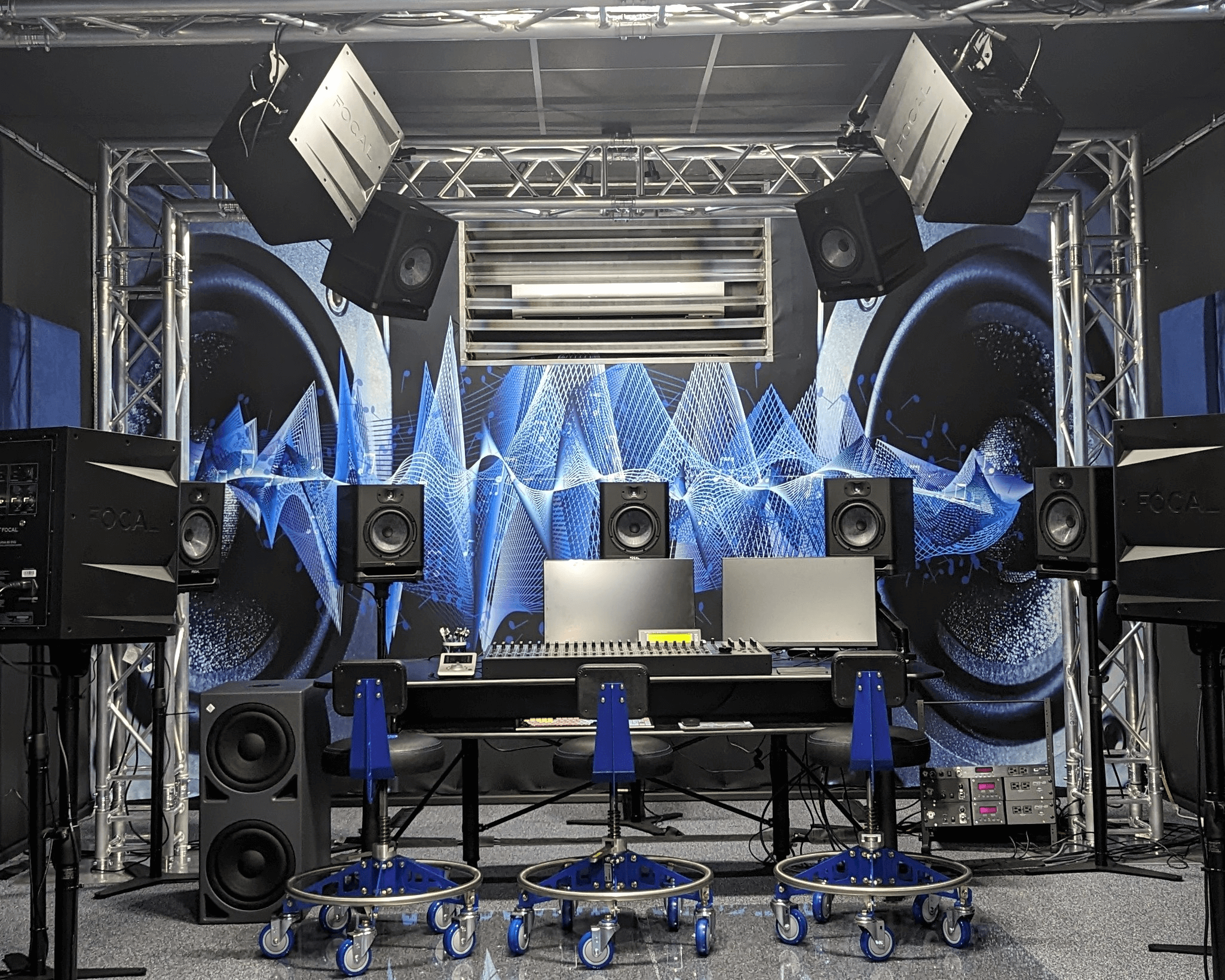
What is Dolby Atmos?
Dolby Atmos is an advanced surround sound technology that goes beyond traditional stereo and surround sound setups by adding height channels, creating a 3D audio experience. It allows sound to move freely around the listener, making it more immersive.
At its core, Dolby Atmos enables artists and sound engineers to craft a spatial environment where sound comes from above, below, and around the listener. This three-dimensional approach breaks free from the constraints of two-dimensional sound, offering a fresh perspective on audio dynamics.
For those engaged in music production, this means songs can be experienced in a way that resonates with emotional depth and realism, transforming the way audiences interact with sound. By utilizing height speakers, soundtracks can now envelop listeners, making them feel like they're within the scene of a film or a live performance.
Why Dolby Atmos Matters in Audio Projects
Using Dolby Atmos in your projects can significantly enhance the auditory experience by providing spatial sound that feels natural and fully envelops the listener. This technology is increasingly becoming a standard in film, music, and gaming.
One of the key reasons Dolby Atmos matters is its ability to enhance emotional engagement. For filmmakers, this means scenes can be more vivid as sounds move dynamically, capturing the audience's attention more effectively.
Similarly, in the realm of gaming, Dolby Atmos adds to the realism of a game, allowing players to hear approaching footsteps or ambient environmental sounds as if they were physically present in the virtual world. This level of detail can lead to a more immersive and captivating experience.
Preparing Your Project for Dolby Atmos Mixing
To start mixing with Dolby Atmos, you'll need the right equipment and software. Ensure you have access to a Dolby Atmos-compatible DAW (Digital Audio Workstation) and speakers or headphones that can support the 3D sound format.
Preparation begins with understanding your project's end goals. Are you aiming for a cinematic experience, or is your focus on music production? The clarity on objectives will guide the setup process, equipment choice, and the eventual mixing techniques you employ.
Space considerations are also vital. A controlled acoustic environment with minimal reflections will help in creating an accurate Dolby Atmos mix. If your room setup is not adequate, investing in acoustic treatments or consulting with an audio professional might be beneficial.
Best Practices for Dolby Atmos Mixing
When mixing in Dolby Atmos, it’s important to think about how you want the listener to experience the sound. Use the height and surround channels to add depth and movement. Experiment with positioning to achieve the desired immersive environment.
Pay attention to the mix’s balance to ensure all audio elements are precisely positioned within the soundstage. Avoid overcrowding the height channels, and strategically place sounds to achieve the impact and presence intended.
Utilizing binaural monitoring can be helpful when assessing how your mix translates to different listening environments, like headphones and compact stereo systems. This approach ensures a wide range of audiences can enjoy the full richness of your Dolby Atmos mix.
Real-World Applications of Dolby Atmos
Dolby Atmos is used in various industries, from film to music production, and even virtual reality. It's known for enhancing cinematic experiences and is now making waves in the music industry, offering listeners a new way to experience music.
In recent years, major streaming services and music platforms have begun integrating Dolby Atmos, providing fans with unparalleled sound quality that mirrors a live concert feel. This has not only elevated listener enjoyment but has also inspired new creative possibilities for artists.
The technology is also finding its place within the arena of virtual and augmented reality, delivering deeper engagement and realism. In this space, sound design plays a pivotal role in bridging the gap between the virtual and real world, making experiences seamless and compelling.
The Transformative Power of Dolby Atmos Mixing
Embracing Dolby Atmos mixing in your audio projects can take them to a whole new level, offering a dynamic and immersive listening experience. From enhancing sound quality to boosting audience engagement, the benefits are vast. By following these steps, you can harness the power of Dolby Atmos to create something truly exceptional.