
How Can Studio Recording Techniques Make Your Music Stand Out?
In the ever-evolving world of music, standing out is more crucial than ever. Studio recording techniques can dramatically transform your sound and set you apart from the rest. In this blog, we'll explore how you can enhance your music with effective studio recording strategies.
Understanding the Basics of Sound Dynamics
Grasping the fundamentals of sound dynamics is essential. It involves learning how different tones, volumes, and frequencies interact to create a cohesive and polished sound. When musicians understand how to manipulate these elements, they can craft music that resonates deeply with listeners. Sound dynamics play a pivotal role in making your music stand out by ensuring it maintains clarity and emotion even in high-pressure settings, like live performances or when competing with other tracks for attention.
By learning the intricacies of sound dynamics, you can give your music the edge it needs in today's competitive industry. Artists strive to deliver unique experiences to listeners, and knowing how to balance sound dynamics effectively accomplishes just that.
The Importance of Acoustic Treatment
Proper acoustic treatment optimizes the sound quality of your recordings. It reduces echoes and background noise, allowing your music to be clearer and more precise. Without it, the natural imperfections of your recording environment might muffle your sound. By investing in acoustic improvements, musicians ensure that every detail in their music is conveyed clearly to their audience.
Acoustic treatment is a must-have for any serious music professional. It's not just about reducing noise; it's about transforming your space into a canvas where pure, unblemished sound can truly flourish. With this enhancement, artists can produce work that truly reflects their vision without interference from unwanted sound reflections or reverberations.
Choosing the Right Microphone
Selecting suitable microphones for different instruments and vocals can significantly impact the final sound. Understanding microphone types and placement is key to capturing the best audio possible. Every microphone has its unique characteristics that shape the sound you record. For instance, dynamic microphones are often preferred for their durability and ability to handle high sound pressure, making them ideal for capturing drums and amplified instruments.
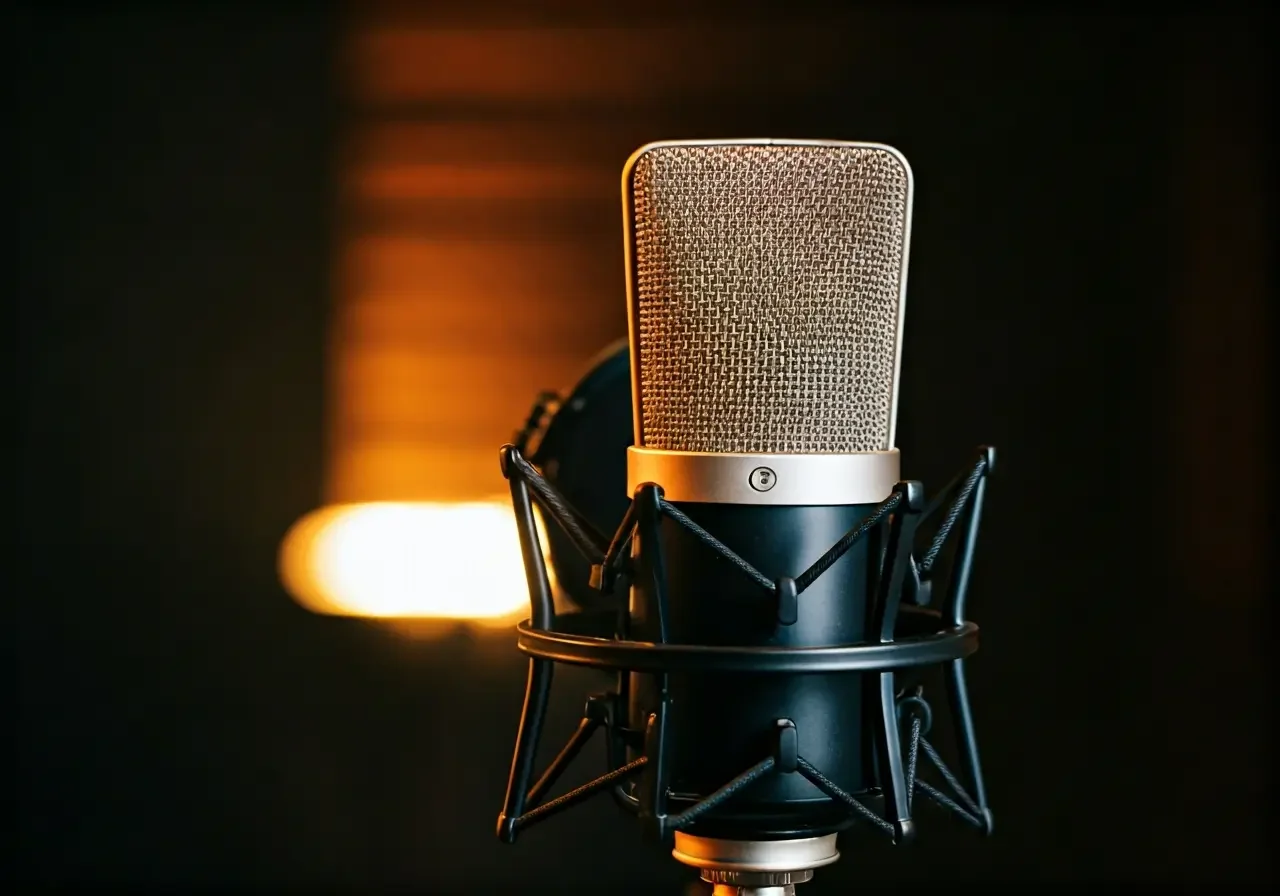
On the other hand, condenser microphones excel at capturing intricate details, making them a perfect choice for vocals and acoustic instruments. Mastering microphone placement can also greatly improve the recording quality by minimizing background noise and phase issues, thereby ensuring a clean and professional output.
Utilizing Effective Mixing Techniques
Mixing is an art form that blends individual tracks into a harmonious piece. Learn to balance levels, apply effects, and use EQ to make your music more engaging and vibrant. Effective mixing techniques can breathe life into your recordings, adding that professional polish that separates amateur projects from commercial hits. It's not merely about adjusting volumes; it's about weaving together various sound elements to form a unified sonic tapestry.
A well-mixed track is the key to keeping listeners engaged from start to finish. By utilizing panning techniques, one can create a sense of space and dimension, while strategic application of reverb and delay effects can simulate a live environment, making the track feel more immersive. Mixing is your opportunity to amplify the emotional impact of your music and make it truly memorable.
Mastering the Art of Layering
Layering adds depth and texture to your music. By creatively stacking various sounds, you can create fuller and more dynamic compositions. It's a technique that can transform a simple melody into a rich audio experience. Each layer can contribute to building an atmosphere, accentuating particular emotions, or adding complexity to hooks and choruses.
The art of layering involves knowing when to add elements for drama and when to remove them for clarity. Understanding this balance helps in crafting compositions that hold listeners' attention and keep them coming back for more.
Make Your Mark with Studio Recording Techniques
Mastering studio recording techniques is your ticket to crafting unique, professional-sounding music that captures the ears and hearts of your audience. By embracing these techniques, you not only improve the quality of your recordings but also let your artistic vision shine through. Discover how you can embark on such a journey by visiting our homepage and see how we can help bring your sound to the next level.