
The Role of Acoustics in a Modern Sound Mixing Studio
Sound mixing studios are more than just high-tech equipment and skilled engineers. The acoustics of a studio play a crucial role in the sound mixing process, affecting everything from sound clarity to the mixing engineer's ability to hear and adjust audio accurately. In this blog, we'll explore the importance of acoustics in a modern sound mixing studio and how it influences the overall production.
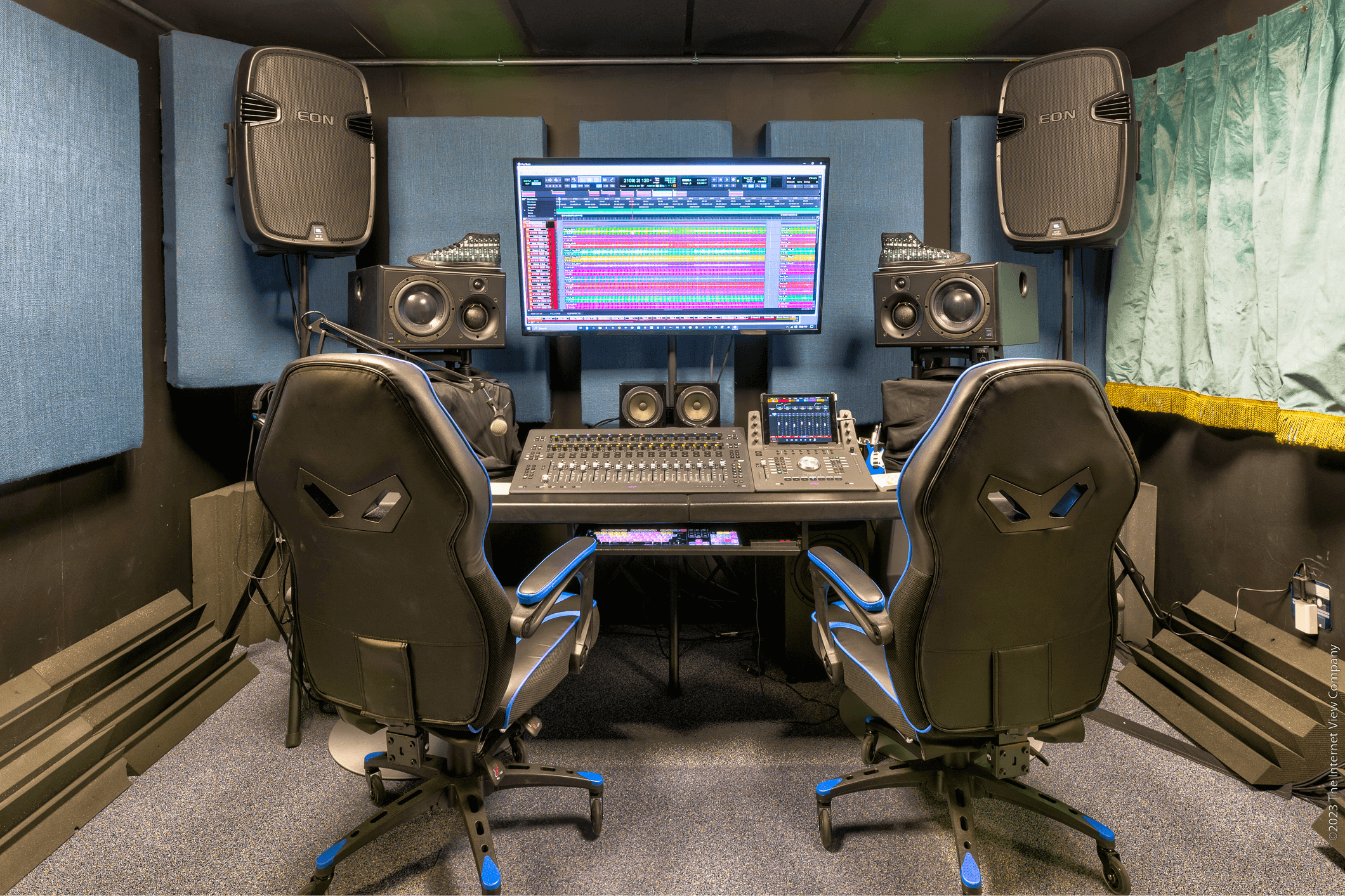
Understanding Acoustics: The Basics
Acoustics, the science of sound, involves how sound waves interact with environments. In a sound mixing studio, understanding these principles is essential for creating an environment that accurately reflects the audio being produced. One fundamental principle is that sound travels in waves, and these waves behave differently depending on the surfaces they encounter. Hard surfaces like walls and ceilings can reflect sound, causing echo and reverberation, while softer surfaces absorb sound, reducing noise and improving clarity. The balance between absorption and reflection is key to achieving the perfect audio environment.
Moreover, the frequency of sound—a measure of how 'high' or 'low' a sound is—requires careful consideration. Lower frequencies, for instance, tend to absorb into walls or leak through gaps more than higher frequencies, which can bounce off surfaces and cause harsh reflections. In the context of a sound mixing studio, understanding these variances is crucial to managing sound and its qualities effectively. Various tools and techniques can be employed to measure and alter these frequencies to create an optimal acoustic environment.
The Impact of Room Design on Sound Quality
The size, shape, and materials used in a studio room can significantly affect sound. These factors influence how sound waves propagate and how echoes and reverberation occur, all crucial for a sound engineer to make precise adjustments during mixing. For instance, a rectangular room might cause standing waves, which create sound hotspots and dead zones. Irregularly shaped rooms or rooms with diffusive surfaces help mitigate these issues, leading to better sound distribution.
Materials play an equally important role. Rooms lined with dense materials like concrete can cause sound to reflect more, while materials like wood can give a warmer, more natural sound. Innovations in studio design have seen the adoption of creative solutions such as floating floors and porous materials to absorb unwanted sound. Innovative studio designs are increasingly embracing such considerations to enhance audio quality.
Acoustic Treatment Solutions
Various acoustic treatments such as diffusers, absorbers, and bass traps help customize the acoustics of a studio. Each solution serves a unique purpose in managing sound waves, reducing unwanted noise, and ensuring clear audio. Absorbers, typically made of porous materials, target mid to high frequencies and are strategically placed to minimize reflections and minimize echo.
Bass traps, on the other hand, target lower frequencies, which can be particularly troublesome if unmanaged, leading to boomy or muddy sounds. By positioning them at corners where bass frequencies accumulate, bass traps can significantly improve sound clarity. Diffusers scatter sound waves to create a more natural and livable space without overly deadening the room. Comprehensive acoustic treatments are necessary for precise sound management in any sound mixing studio.
The Role of Technology in Modern Acoustics
With advancements in technology, studios now utilize digital acoustic modeling and adjustments to optimize room acoustics. These tools allow for precision tuning that was once impossible, aligning the physical space with desired sound outcomes. Tools like room correction software can analyze the current acoustic state of a studio and suggest changes. These technological innovations can simulate various acoustic treatments to predict their effect, allowing engineers to tailor their spaces effectively before physical changes are made.
Moreover, technology facilitates real-time analysis and adjustments, providing feedback that guides engineering decisions during sessions. Virtual reality is also starting to play a role, providing a more immersive way to visualize and adjust studio acoustics. With modern acoustic technologies, studios can achieve precise control over their sonic environment, ultimately enhancing the quality and creativity of their work.
Creating the Optimal Listening Environment
A sound mixing studio’s ultimate goal is to create an environment where engineers can trust their ears. Proper acoustics ensure that what is heard in the studio translates perfectly to any playback environment, making acoustics an indispensable part of the audio production process. When a mix sounds great in a studio with excellent acoustics, it has a higher chance of sounding equally impressive on various speakers and headphones.
The optimal listening environment doesn't just happen overnight; it's a result of thoughtful design, strategic placement of acoustic treatments, and the integration of cutting-edge technology. The attention to detail involved in creating such an environment pays off when both the engineers and artists can rely on their creations sounding as envisioned. Crafting the perfect listening space is an investment in the quality and integrity of the art produced.
Crafting Sonic Perfection through Acoustics
Acoustics turn a sound mixing studio from an ordinary space into a realm where sonic magic happens. By understanding and optimizing the acoustic properties of the studio, sound engineers can ensure that they achieve the perfect mix. This attention to sonic detail not only improves audio quality but elevates the entire listening experience for their audience. To explore more about how we can help you create your own sound mixing haven, visit our homepage.