
Unlock the Secrets of Audio Mastering Techniques for Perfect Sound
In the world of music production, audio mastering is the crucial final step that can make or break your sound. Whether you're an aspiring producer or an established artist, mastering ensures your tracks are polished, professional, and ready for the world. In this blog, we'll delve into the essential audio mastering techniques you need to know to achieve perfect sound.
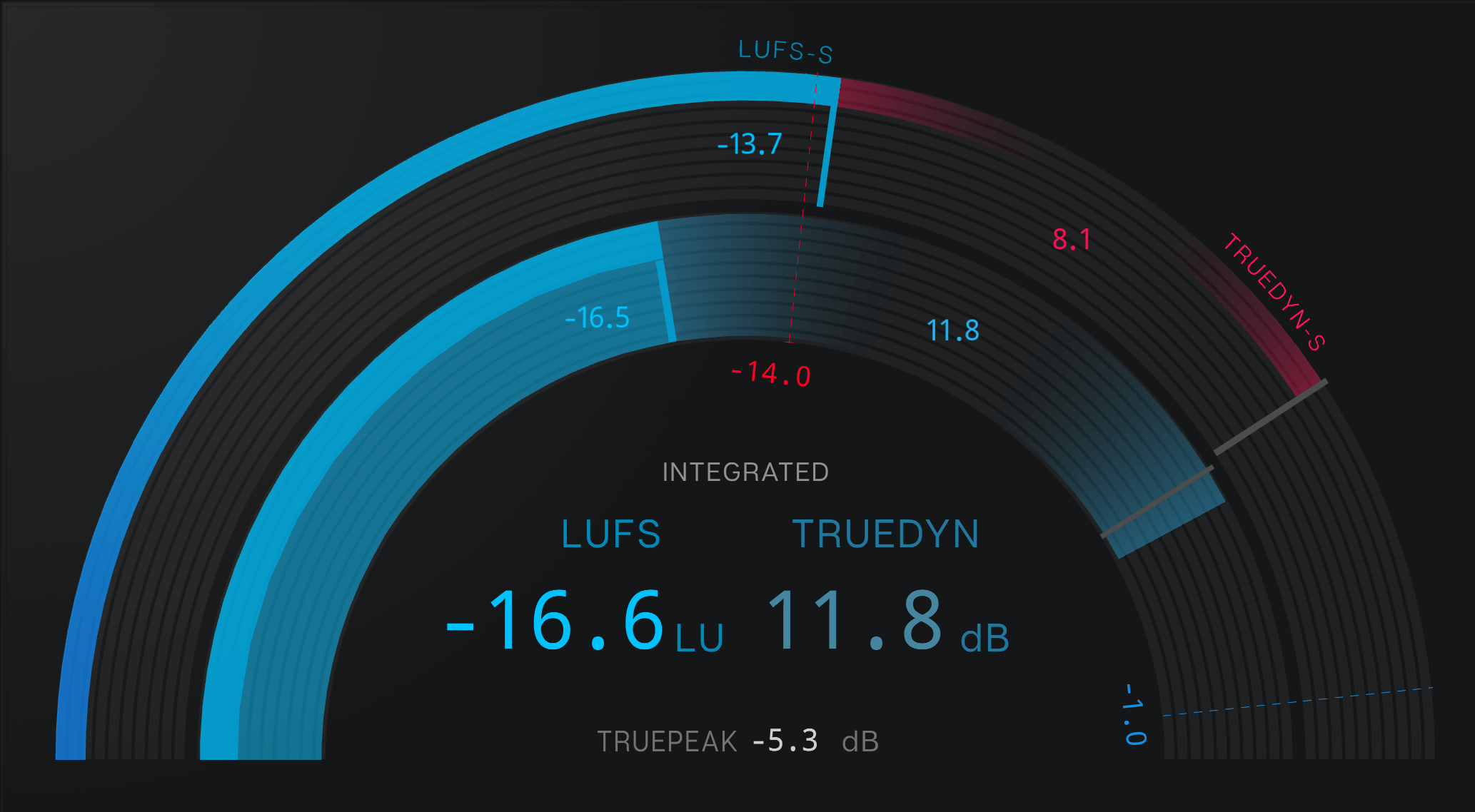
Understanding the Basics of Audio Mastering
Before diving into the more intricate techniques, it's important to understand what audio mastering is all about. At its core, mastering is the process of preparing and transferring recorded audio from a source containing the final mix to a data storage device (the master). This includes adding final touches to balance the sonic elements and ensuring consistency across all playback systems.
One of the fundamental concepts of mastering is the transfer of sound from the studio to the audience, which is why it's crucial to have a keen ear for quality and precision. The ultimate goal is to make the music sound as good as possible on a variety of devices, from high-end speakers to earbud headphones. This expansive approach helps in enhancing the listening experience, maintaining quality whether the listener is streaming online or playing a physical CD. To achieve this consistency, mastering engineers employ a range of techniques to polish the recordings, giving them a refined finish.
The process of audio mastering can sometimes seem daunting, especially to newcomers, due to its technical nature. It's worthwhile to think of mastering as the bridge between the creative world of music production and the consumer's listening experience. It's where creativity meets science; decisions are made not just on artistic merit but also on technical know-how. For those starting out, it's essential to familiarize yourself with the lineage of an audio track – from recording, mixing, to mastering – understanding each role's contribution to the final polished product.
Essential Tools for Mastering Audio
To unlock the secrets of audio mastering, you'll need to be familiar with the essential tools of the trade. These typically include equalizers, compressors, limiters, and stereo enhancers. Each of these tools serves a specific purpose, from balancing frequency response to controlling dynamics and enhancing the stereo image.
Equalizers are the heart of the mastering process, allowing you to shape the tonal balance of a track. By boosting or cutting certain frequencies, you can address problems such as muddiness or harshness. Compressors, on the other hand, help control the dynamic range, ensuring that the quieter and louder parts of a track are balanced, which is crucial for maintaining clarity across different listening environments. Explore more about compressors and their pivotal role in mastering.
Limiters are often used as the final tool in a mastering chain to ensure that the audio peaks do not exceed a certain threshold, preventing unwanted distortion and clipping. When used properly, limiters can significantly increase the perceived loudness of a track without compromising its quality. Stereo enhancers come into play to add width and depth to a mix, often turning a flat mix into an immersive experience by allowing specific sounds to take up different spaces in the stereo field. It's important to use these tools judiciously to avoid over-processing, which can negatively impact the final sound.
Step-by-Step Guide to the Mastering Process
Mastering is most effective when done systematically. Start by setting the right headroom for your track, followed by equalization to balance frequencies. Then, use compression to control dynamics and normalize loudness. Afterward, consider stereo widening for that spatial enhancement and finalize with peak limiting to ensure no distortion.
The first step in mastering often involves establishing an optimal monitoring environment, as this is vital for making accurate decisions. Invest in high-quality monitors and headphones to identify nuances in your mix that might be missed otherwise. Begin the process by calibrating your track's volume to ensure you have adequate headroom to work with. This means pulling back on the volume of your mix to leave room for eventual boosts in loudness during mastering. Understand headroom and how it affects your tracks more deeply.
Once the headroom is set, move on to equalization. This involves examining the balance of frequencies in your mix and making necessary adjustments so that the bass, mids, and treble are all sitting naturally. Remove any errant frequencies that clutter the mix, and highlight those that need emphasis. Following this, apply compression judiciously to tame problematic peaks and bring cohesion to the track. The compressor should bring the elements of the mix closer, achieving smoothness in dynamics.
After compression, focus on stereo imaging, which is crucial for creating an immersive sound experience. By carefully widening the stereo field, enhancing the space in which the sound exists, your mix will possess depth and clarity previously obscured. Conclude your mastering process with peak limiting. Use it to catch any unexpected peaks and to gently maximize the track's loudness. This ensures your track is competitively loud without losing its integrity.
Top Tips for Achieving Professional Sound Quality
Achieving that polished, professional sound requires attention to detail. One tip is to regularly take breaks to avoid ear fatigue. Also, reference other professionally mastered tracks to ensure yours measures up. Lastly, always aim for clarity and balance, resisting the temptation to over-process your tracks.
Embrace reference tracks as your key guide in the mastering journey. They serve as personal benchmarks to compare tonal quality, volume levels, and overall balance. By selecting tracks that exemplify the sound you desire, you create a tangible target to aim for, guiding decisions throughout the mastering process. Choosing the right reference track adds an extra layer of context, clarifying what needs to be done to fine-tune your own work.
Always remember that less is more; excessive processing can erase the natural dynamics and over-emphasize elements of the mix unflatteringly. Furthermore, consider listening at various volumes during mastering; our perception of sound changes with volume, and checking your mix at different levels can prevent you from missing critical adjustments. Finally, frequently take breaks to reset your ears, allowing for a fresh perspective when you return to your work, ultimately ensuring every choice you make is clear-headed and precise.
Achieve Perfect Sound with Mastery in Mastering
With a solid understanding of these audio mastering techniques, you can elevate your tracks to new heights. Mastering is both an art and a science that relies on a blend of technical skills and creative intuition. As you experiment and refine your approach, you'll discover the unique sound that perfectly represents your musical vision.