
Mixing techniques are crucial in music production, crafting the finesse needed to turn raw recordings into melodious masterpieces. But how exactly do advanced mixing techniques enhance sound quality? In this blog, we'll delve into some of these techniques and demonstrate their transformative impact on audio quality.
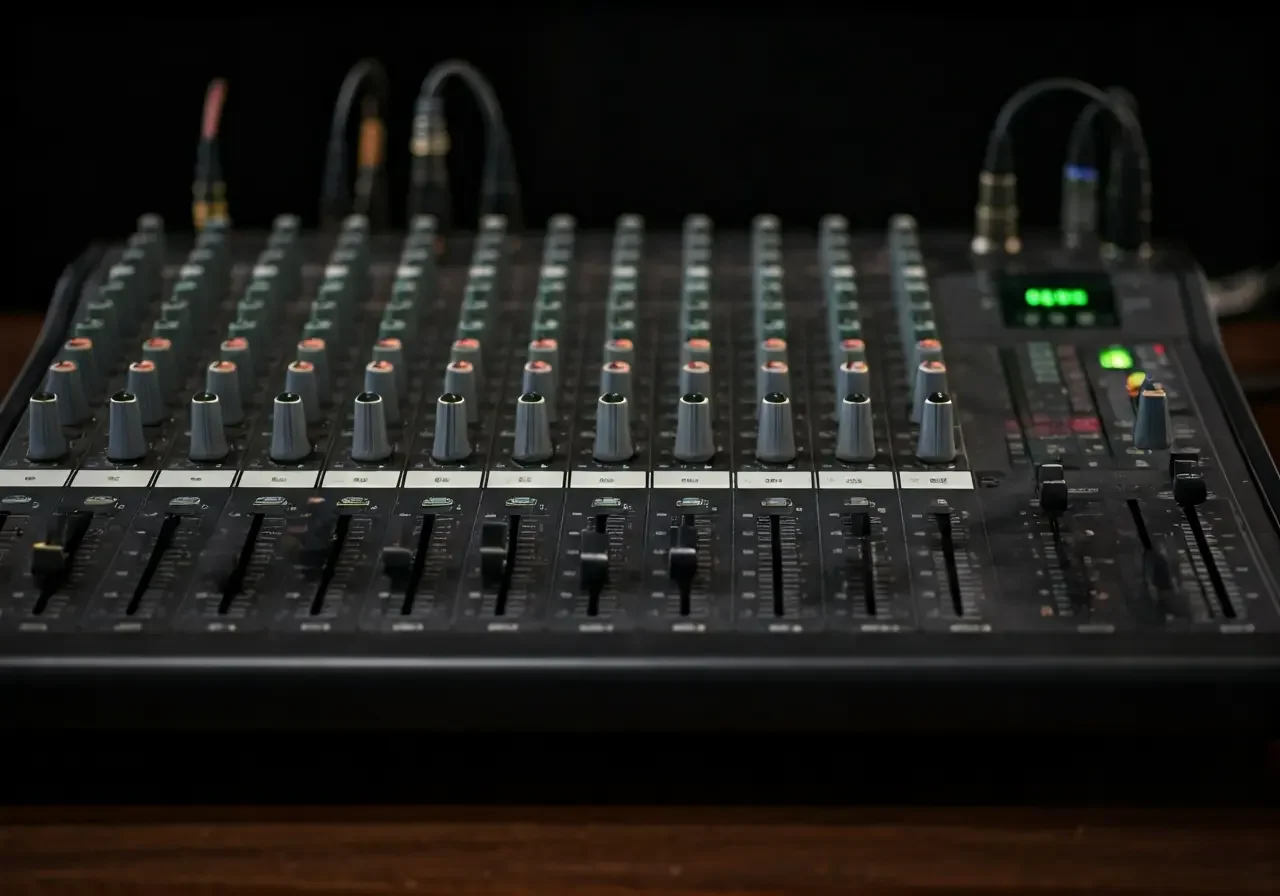
Understanding EQ Adjustments
Equalization (EQ) is vital for balancing frequencies in a track. By tweaking EQ settings, you can bring out the best elements of your sounds, ensuring a clean and precise output.
Advanced EQ techniques allow producers to fine-tune specific frequency ranges. This approach enhances the natural characteristics of each instrument, resulting in a more cohesive mix. By selectively boosting or cutting frequencies, sound engineers can reduce muddiness and highlight the unique qualities of the audio.
Leveraging Compression for Dynamics
Compression helps control the dynamic range in music, preventing distortion while maintaining the integrity of softer notes. This process is essential for achieving a polished and professional sound.
Incorporating sidechain compression can add rhythmic elements to your mix, creating a dynamic ebb and flow. This technique allows certain sounds, such as a bass or drum kick, to cut through the mix by compressing others. It's a powerful method for adding movement and energy.
By using multi-band compression, producers can address specific frequency ranges separately. This precision results in a more refined mix, allowing for control over low-end power while preserving high-frequency clarity. Moreover, it gives producers the flexibility to tackle problem areas without affecting the entire track.
Using Reverb and Delay for Depth
Reverb and delay can add depth to your mix, creating a spacious atmosphere that enhances the listener's immersion. Proper use of these effects can turn an ordinary mix into a captivating audio experience.
Adding a subtle reverb can create a sense of space, making tracks feel more natural and less sterile. This effect mimics how sound behaves in physical environments, adding a layer of realism. It's the blend of various reverberation techniques that allows a mix to sound both intimate and epic at the same time.
Using tempo-synced delay can transform tracks with rhythmic echoes that enhance specific parts of a song. When applied judiciously, delay can emphasize vocal phrases or guitar riffs, adding texture and interest. This technique helps create a consistent sonic environment and keeps listeners engaged.
Achieving Balance with Panning
Panning techniques distribute sound across the stereo field, providing balance and clarity. This helps each element within the track occupy its own space, enhancing overall sound quality.
By strategically placing sounds in different parts of the stereo field, producers can achieve a 3D audio effect, offering listeners a realistic and immersive experience. This spatial awareness allows for a well-defined, detailed mix that maintains interest from start to finish.
Using automation in panning can guide listeners through the mix by shifting certain instruments subtly from side to side. This technique adds movement and evolution to tracks, which can dynamically enhance the storytelling aspect of music.
Conclusion: Elevating Sound Through Advanced Mixing
Advanced mixing techniques can significantly elevate the auditory experience by adding clarity, depth, and balance to your tracks. By integrating these methods, sound engineers and music producers can ensure their creations resonate more profoundly with their audience. Remember, practice and experimentation are key to mastering these techniques and continuously improving sound quality. For more tips and services, visit the Starsound Studios homepage.