
Why Are Advanced Mixing Techniques Important for Musicians?
In the world of music production, mixing is an art form that can elevate a track from good to extraordinary. While basic mixing techniques lay the foundation, mastering advanced mixing techniques is essential for musicians who want to create professional-sounding music. This FAQ will delve into why these techniques matter and how they can transform your music.
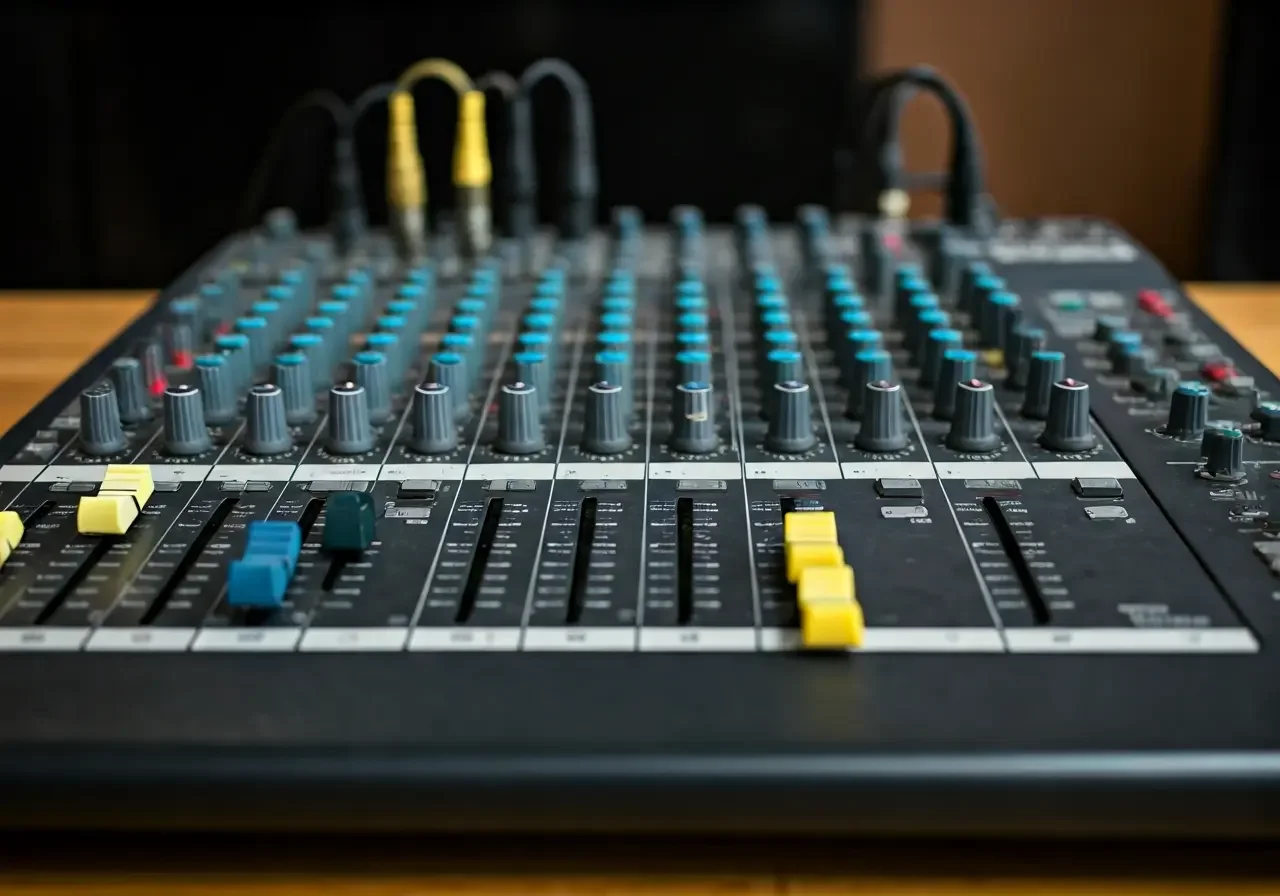
What Are Advanced Mixing Techniques?
Advanced mixing techniques refer to the methods used in audio production to enhance the depth, clarity, and overall quality of a track. These techniques go beyond the basics, involving sophisticated processes such as automation, side-chaining, and equalization tweaks to achieve a polished sound.
Understanding the nuances of advanced mixing is crucial for musicians who aim to refine their sound. These techniques can include nuanced compression, spatial effects, and intricate stereo imaging that add a professional touch to your music. Techniques like these can create engaging experiences for listeners, making your track stand out.
Utilizing advanced mixing techniques means going beyond fundamental balancing and leveling your audio. It often involves applying dynamic processing to bring out emotions and adjust harmonics within a track. These processes enhance the listener's experience by delivering a clean and definitive sound with each play.
How Do Advanced Mixing Techniques Improve Sound Quality?
Advanced mixing techniques help in creating a balanced audio landscape, ensuring each element of the track is heard without overpowering others. They add depth and clarity, allowing for a fuller sound that can engage listeners more effectively. By manipulating frequencies and dynamics, these techniques can highlight the distinct characteristics of each instrument or vocal.
One major advantage is the ability to create a three-dimensional audio experience. Techniques such as panning and reverb placement can craft a soundscape that envelops the listener. This immersive quality is what often distinguishes a professional mix from an amateur one.
These advanced techniques also prevent frequency clashing, a common problem where overlapping frequencies among instruments create a muddy sound. Equalization and multi-band compression are used to carve out spaces, giving instruments their own defined areas within the mix.
Why Are They Important for Professional Music Production?
Achieving a professional sound is vital for musicians competing in the industry. Advanced mixing techniques provide the edge needed to stand out. They enable musicians to craft unique soundscapes, support emotional expression within music, and meet industry standards of sound quality.
In today's competitive music industry, a polished mix can make or break a track's success. Listeners have access to a vast array of music, and quality often determines whether a listener will continue to engage with a track or artist. Professional mixing elevates the listening experience.
Additionally, these techniques allow musicians to express their creative vision more profoundly. By leveraging advanced methods, artists can experiment with sound design, creating innovative and memorable music that resonates with audiences.
How Can Musicians Learn Advanced Mixing Techniques?
There are numerous resources available for musicians eager to learn advanced mixing. Online tutorials, courses, and workshops can provide valuable insights. Additionally, experimenting with different mixing tools and software, and seeking feedback from experienced producers can greatly enhance a musician's skill in mixing.
A fantastic way to learn is through practical application. Hands-on experience in studios, such as at Starsound Studios, offers musicians the chance to experiment with professional-grade equipment and gain insights from seasoned engineers.
Books and online forums dedicated to music production can also be invaluable. Engaging with a community of like-minded musicians and producers can offer new perspectives and solutions to complex mixing challenges, accelerating a musician's learning curve and broadening their skill set.
Embrace Advanced Mixing for Superior Sound
By mastering advanced mixing techniques, musicians can vastly improve their production skills and produce tracks that captivate listeners. Whether you're incorporating new effects, adjusting levels precisely, or adding automation, these techniques provide endless creative possibilities to bring your music to life. As you continue to grow and experiment with your mixes, remember that advanced mixing is a journey of creativity and innovation, leading to remarkable sound experiences for your audience. Explore these techniques with an open mind and embrace the challenges and rewards they bring.