
Dolby Atmos mixing is the future of sound technology, providing an immersive audio experience that brings each element of a track to life. Whether you're a seasoned sound engineer or a budding audio enthusiast, understanding these key aspects will enhance how you create and enjoy sound.
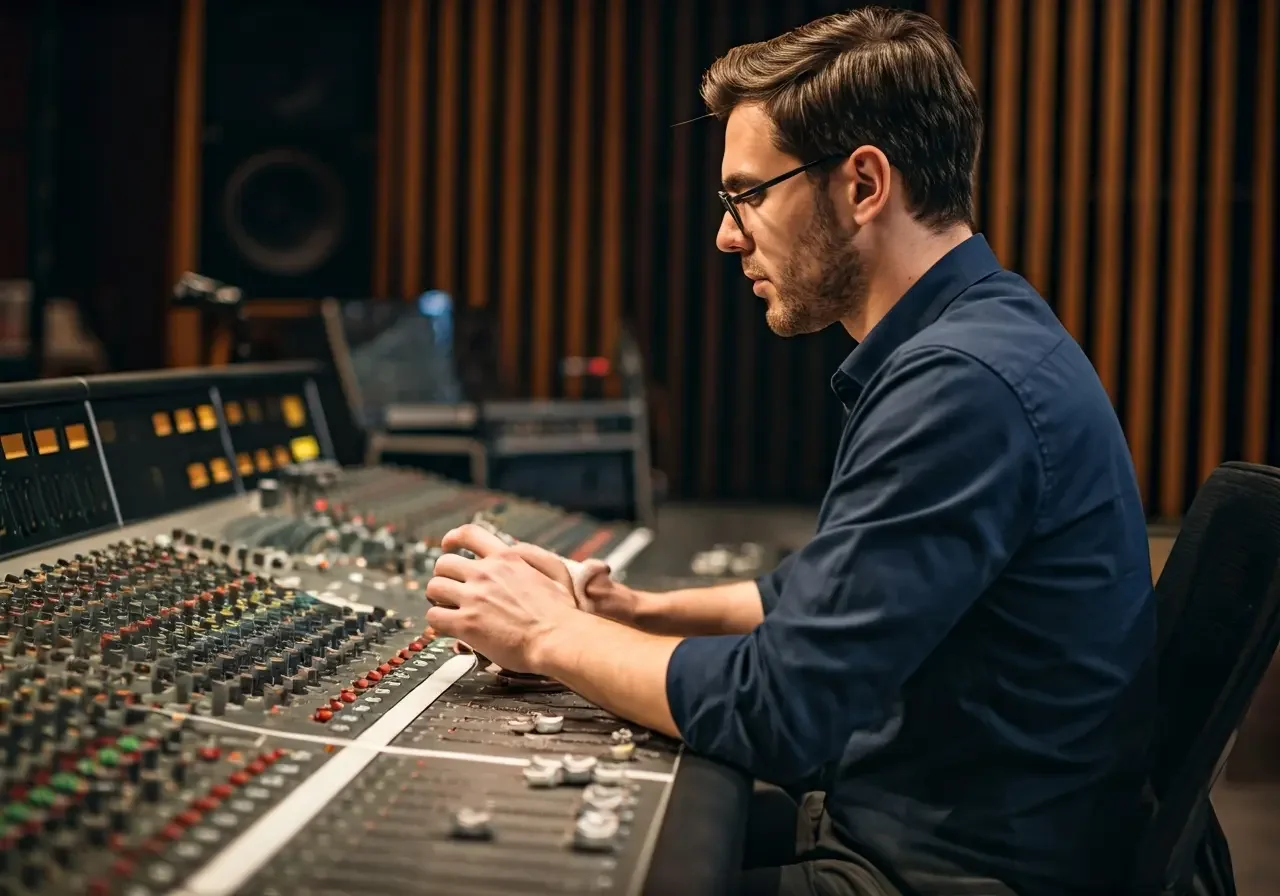
1. Immersive Sound Experience
Dolby Atmos transforms traditional audio by adding dimension and depth, making listeners feel like they're part of the action. This surround sound technology enhances storytelling by precisely placing every sound within a three-dimensional space. Imagine watching a movie where the sound of rain falls from above and footsteps move around you; that's the magic of Dolby Atmos at work.
Audio enthusiasts and professionals alike admire Dolby Atmos for its ability to bring a cinematic experience into the home. With systems that range from high-end theater setups to compact soundbars, the scope of an immersive soundscape has never been more accessible. This evolution in sound has redefined not only how we design but also how we perceive auditory experiences.
2. Beyond Channels: A New Dimension
Unlike traditional surround sound, which assigns sounds to channels, Dolby Atmos allows for dynamic placement of audio objects, offering unparalleled creative freedom for sound designers. This means that sounds are no longer bound to a specific speaker; instead, they're treated as independent objects that can be precisely positioned and synchronized within the 3D sound field.
This object-based approach means that filmmakers and musicians have the freedom to direct audio exactly where they want it, enhancing narrative elements and musical compositions. This groundbreaking ability helps creators break free from traditional formats and experiment with new auditory dimensions, elevating the storytelling potential in ways not previously possible.
3. How Object-Based Audio Works
Object-based audio is a key feature of Dolby Atmos. By treating sound as an individual element that can move in 3D space rather than being tied to specific speakers, it creates a realistic audio environment. Think of each sound as having its own unique path, following precise instructions on where to be heard and how it should interact with the environment.
4. The Role of Height Channels
Adding height channels creates a vertical layer of sound, enhancing the realism and creating a true sense of being in the middle of the audio action. This means that sound isn’t just coming from the sides or front, but also from above, providing a full spherical auditory experience.
Height channels transform standard soundscapes into lifelike encounters. Whether it's the gentle rustle of leaves overhead or the awe-inspiring sonic boom of jet planes soaring above, this verticality intensifies the emotional impact and connective experience of an audio production.
5. Adapting to Any Speaker Setup
Dolby Atmos adapts to your speaker setup, whether it's a full professional theater or a simple home setup, ensuring the best sound experience regardless of the arrangement. This adaptability is achieved through algorithms that compensate speaker placement and environment, making high-quality Atmos sound universally attainable.
Moreover, Dolby Atmos supports a wide range of devices, from high-end speakers to smart devices, ensuring that everyone can enjoy superior sound quality. The technology’s ability to adapt sound dynamically to various setups underscores its usability across different listener environments, bridging the gap between professional and consumer audio experiences.
6. Impact on Film and Music Production
Dolby Atmos is revolutionizing how films and music are produced, allowing creators to craft more engaging and spatially realistic soundscapes that captivate audiences. It provides a unique advantage to creators, enabling more intricate and captivating storytelling through sound.
This revolution is particularly notable in films where audio crafts crucial emotional and narrative moments. For musicians, Dolby Atmos presents an opportunity to bring fans deeper into the music. Bands and artists have started leveraging the technology to create tracks that not only surround listeners but also move and flow dynamically, making each playthrough an experience in itself.
7. Tools and Software for Atmos Mixing
A range of tools and software solutions are available for Dolby Atmos mixing, including plugins and dedicated platforms, making it accessible for various production environments. Pro Tools and Logic Pro are among the favored digital audio workstations that support Atmos, providing comprehensive mixing and editing capabilities.
These tools, along with the advanced Atmos Renderer, help in tailoring sound experiences with precision and creativity. For those stepping into Atmos mixing, tutorials, and community forums offer valuable resources and guidance, ensuring you’re never alone in your journey to mastering 3D sound.
8. Challenges in Creating Atmos Mixes
Despite its benefits, Dolby Atmos mixing presents challenges such as maintaining audio quality across different playback systems and ensuring seamless transitions for a natural listening experience. One of the significant hurdles is ensuring that mixes retain their intended impact whether they are played through high-end systems or more modest setups.
Additionally, with the increased complexity of mixing in an immersive format, there can be a steep learning curve for those new to Atmos. Addressing these challenges requires a deep understanding of both technology and artistry, balancing the creative vision with technical execution to achieve a seamless and impactful audio experience.
9. Understanding Metadata's Role
Metadata is crucial in Dolby Atmos to encode the spatial information needed for rendering the immersive experience across various speaker layouts. This data serves as a blueprint, guiding how each object within the audio mix should behave in different environments.
10. Future Trends in Sound Production
As technology advances, the potential applications of Dolby Atmos in virtual reality, gaming, and other industries continue to expand, pushing the boundaries of how we experience sound. These advancements mean that listeners can anticipate even more dynamic, responsive, and personalized audio experiences both at home and on the go.
In gaming, for instance, Dolby Atmos is already enhancing realism by providing distinct and directional sound cues. This creates immersive environments that significantly contribute to storytelling and gameplay interactivity. The future is bright with possibilities, promising richer and more engaging auditory experiences across all media.